Drinking Water Filtration in Charlotte, NC
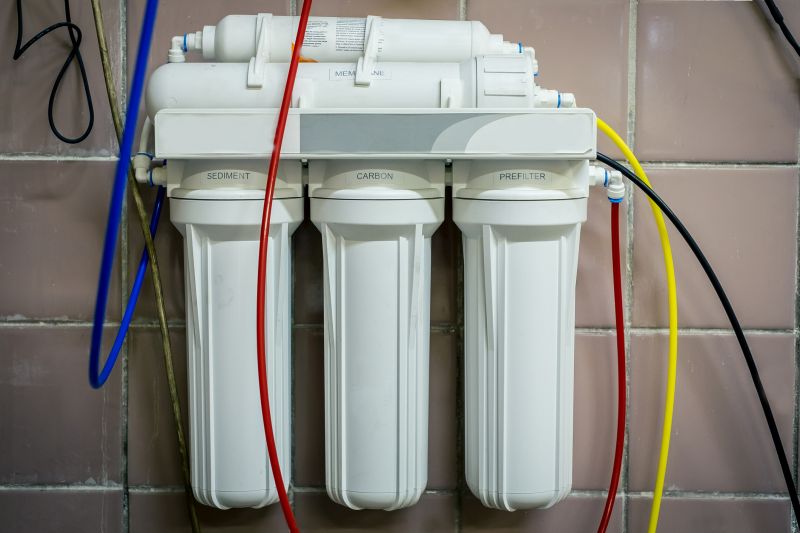
Drinking water filtration services involve installing systems designed to improve the quality and safety of tap water in residential properties. These services typically cover a range of projects, including the installation of point-of-use filters, whole-house filtration systems, and specialty filters to address specific concerns such as chlorine taste, sediment, or contaminants like lead and bacteria. Homeowners often seek these services to ensure their drinking water is clean, safe, and tastes better, especially in areas where water quality may vary or contain impurities.
Before requesting drinking water filtration services, property owners usually want to understand the types of filtration options available, the benefits of each system, and how they can address particular water quality issues. It’s also helpful to consider the maintenance requirements of different systems and whether they are suitable for the household’s water usage and property size. Clarifying these details can assist in selecting the most appropriate filtration solution to meet individual needs and ensure safe, high-quality drinking water.
Many property owners in Charlotte, NC look into Drinking Water Filtration for repairs, replacements, upgrades, and appearance-related improvements.
Water Quality Improvement
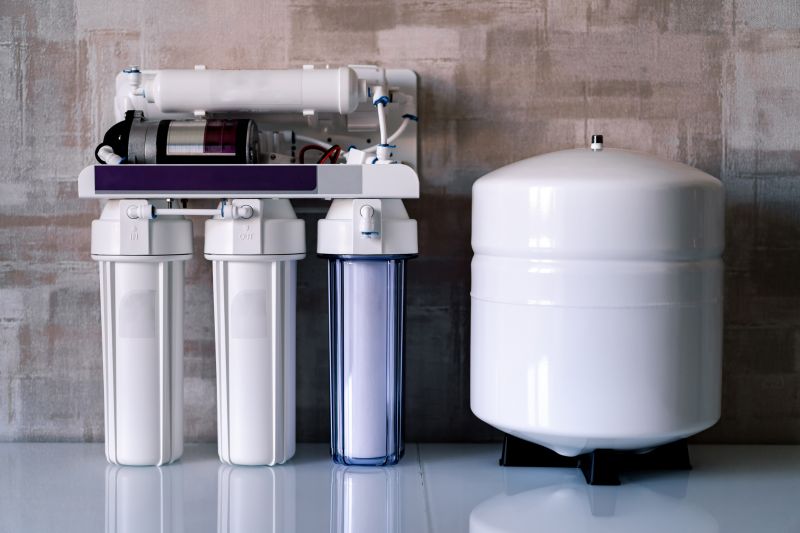
Removing contaminants to ensure clean, safe drinking water for your home.
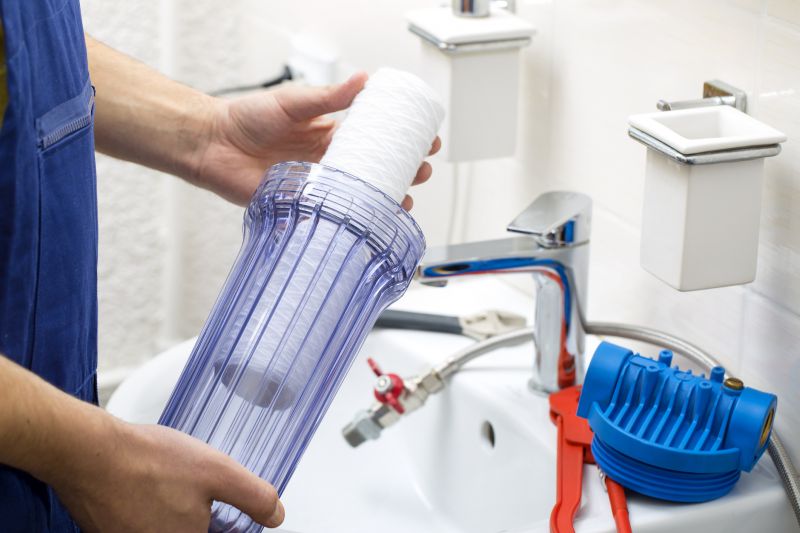
Filtration System Options
Choosing the right system to meet your household’s specific water needs.
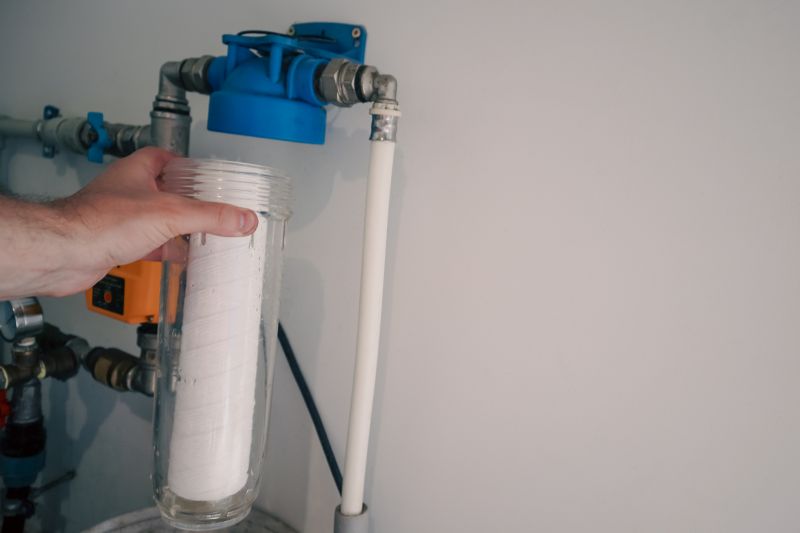
Installation And Maintenance
Professional setup and regular upkeep to keep your water filtration functioning effectively.
Drinking Water Filtration in Charlotte, NC

Drinking water filtration services involve installing systems designed to improve the quality and safety of tap water in residential properties. These services typically cover a range of projects, including the installation of point-of-use filters, whole-house filtration systems, and specialty filters to address specific concerns such as chlorine taste, sediment, or contaminants like lead and bacteria. Homeowners often seek these services to ensure their drinking water is clean, safe, and tastes better, especially in areas where water quality may vary or contain impurities.
Before requesting drinking water filtration services, property owners usually want to understand the types of filtration options available, the benefits of each system, and how they can address particular water quality issues. It’s also helpful to consider the maintenance requirements of different systems and whether they are suitable for the household’s water usage and property size. Clarifying these details can assist in selecting the most appropriate filtration solution to meet individual needs and ensure safe, high-quality drinking water.
Many property owners in Charlotte, NC look into Drinking Water Filtration for repairs, replacements, upgrades, and appearance-related improvements.
Common Drinking Water Filtration Jobs
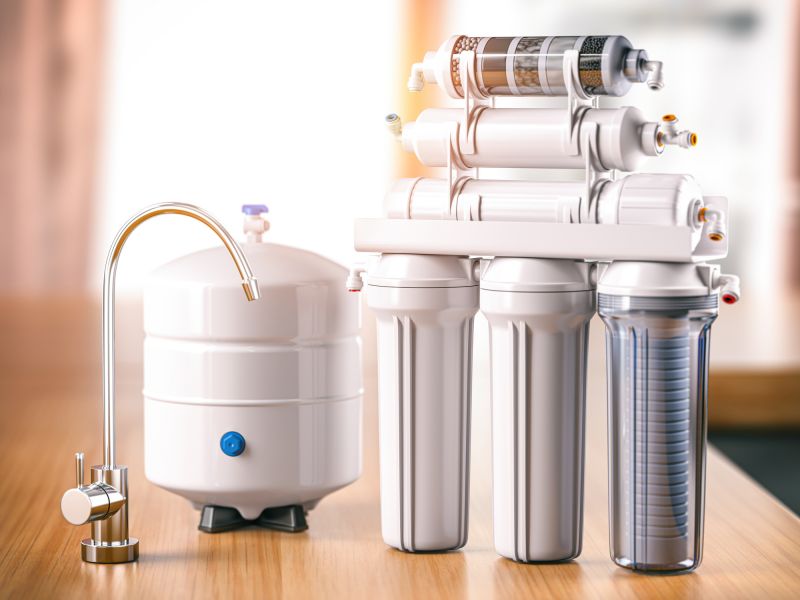
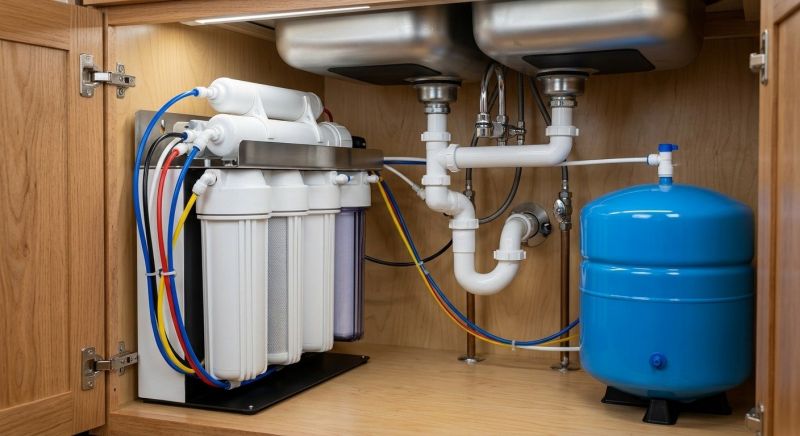
Reverse osmosis systems - remove contaminants for clearer, better-tasting drinking water.
Activated carbon filters - reduce chlorine, odors, and organic compounds in tap water.
Whole-house filtration systems - provide clean water throughout the entire property.
Water testing services - identify specific impurities and determine the best filtration options.
Sediment filters - eliminate dirt, rust, and particles for improved water clarity.
UV water purification - disinfect water to eliminate bacteria and viruses effectively.
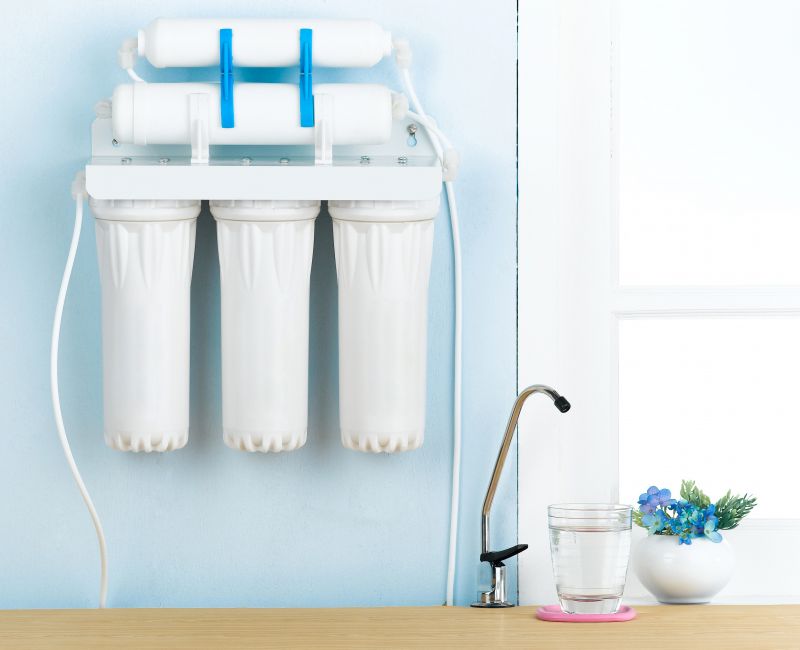
Drinking Water Filtration Questions
What types of contaminants can a drinking water filtration system remove? They can reduce common impurities such as chlorine, lead, sediment, and certain bacteria, improving water quality for household use.
How often should a water filter be replaced? Replacement frequency depends on the filter type and usage, but generally, filters should be changed every 6 to 12 months for optimal performance.
Are point-of-use filtration systems suitable for entire homes? These systems are typically designed for specific faucets or appliances, while whole-house systems can provide filtered water throughout a property.
What is the difference between activated carbon and reverse osmosis filters? Activated carbon filters remove chlorine and odors, while reverse osmosis systems can eliminate a wider range of contaminants, including heavy metals and dissolved solids.
Request Drinking Water Filtration in Charlotte, NC
Use the quote form on this page to share the basics of your project and request more information for the type of work you need.