Water Quality Testing Costs Overview
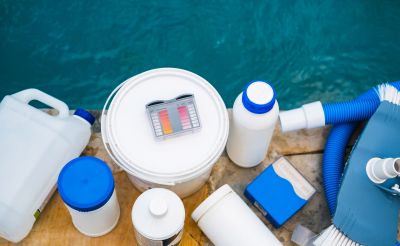
Different sampling sites can impact testing costs due to accessibility and required safety measures.
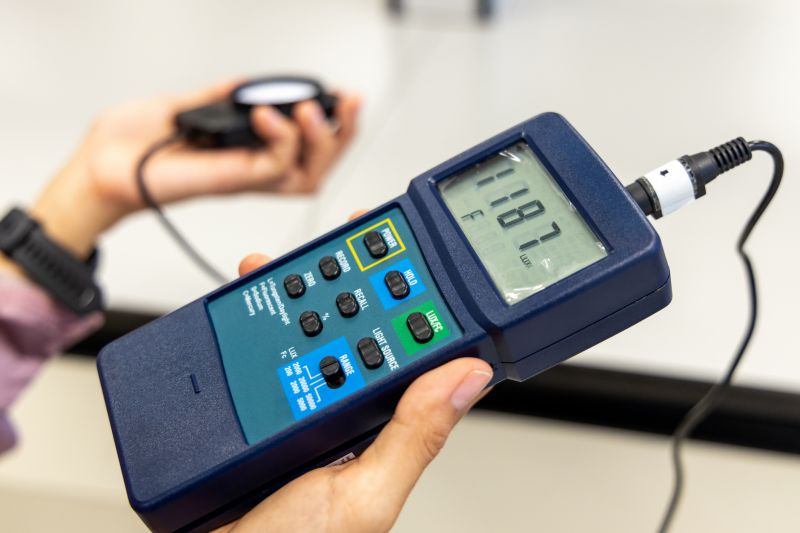
Advanced testing techniques may increase costs but provide more detailed results.
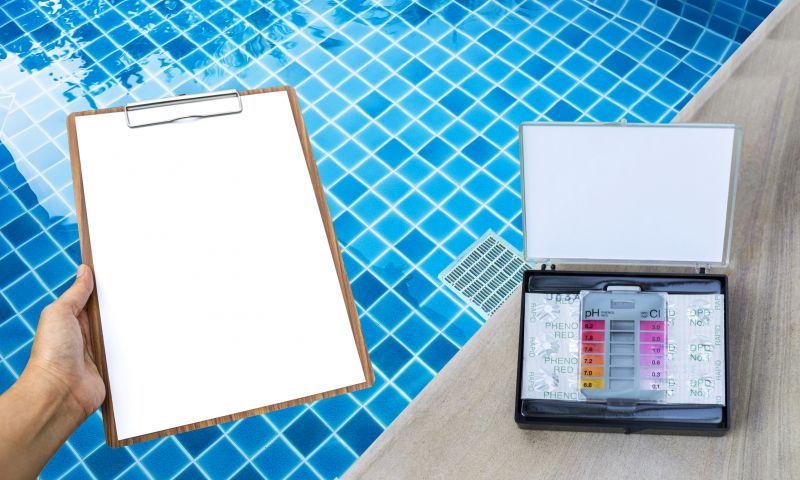
More frequent testing schedules can lead to higher overall expenses.
| Factor | Impact on Cost |
|---|---|
| Test Complexity | Higher complexity tests cost more due to specialized equipment and procedures. |
| Sample Volume | Larger sample sizes may require additional resources and increase costs. |
| Laboratory Location | Tests conducted in remote labs can incur higher fees. |
| Regulatory Compliance | Additional testing for compliance can add to expenses. |
| Turnaround Time | Expedited results typically come at a premium. |
| Number of Analytes | Testing for multiple contaminants increases overall costs. |
| Sample Preservation | Use of preservatives or special handling adds to expenses. |
| Testing Frequency | More frequent testing results in higher total costs. |
The cost of water quality testing varies significantly based on the scope and depth of analysis. Basic tests for common contaminants might be relatively affordable, while comprehensive assessments involving multiple parameters and advanced techniques can be considerably more expensive. Laboratories often offer tiered pricing models, allowing clients to select testing packages that meet their specific needs.
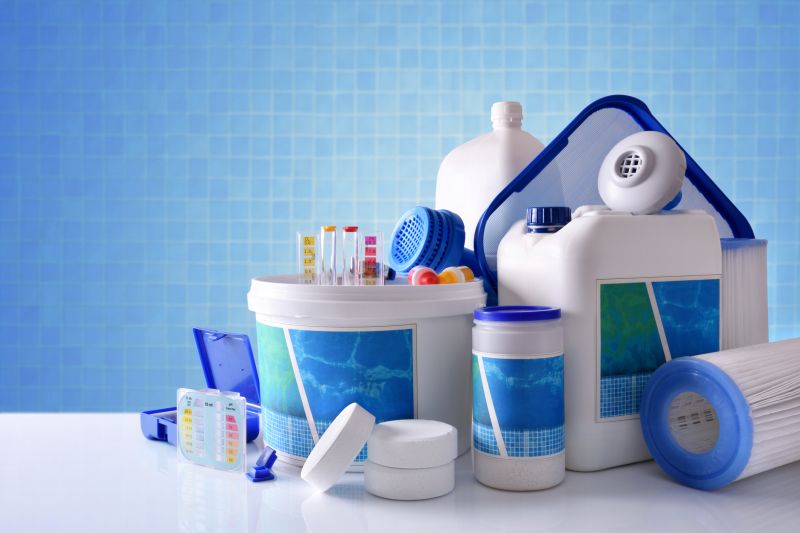
Advanced equipment can increase testing costs but enhances accuracy.
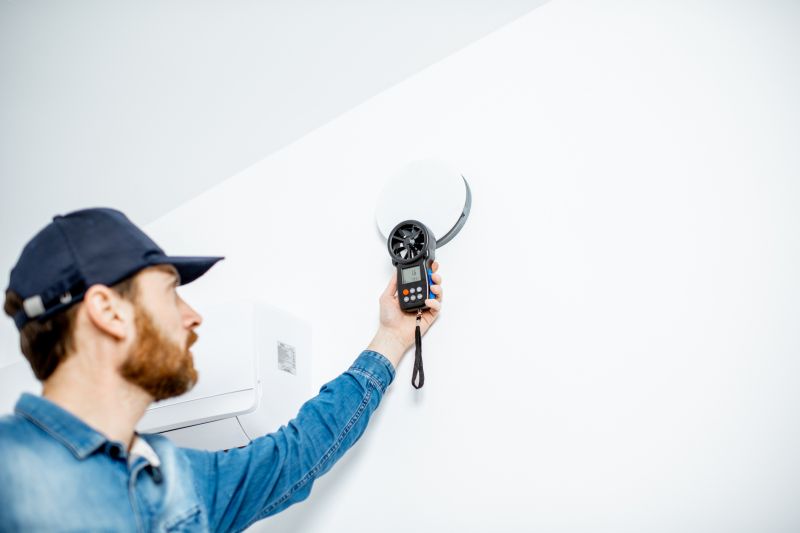
Portable testing devices offer convenience but may have higher per-test costs.

Specialized preservation methods ensure sample integrity but add to expenses.
| Service | Average Price Range |
|---|---|
| Basic Water Analysis | $50 - $150 |
| Comprehensive Contaminant Testing | $200 - $500 |
| Microbial Testing | $100 - $300 |
| Heavy Metals Testing | $150 - $400 |
| Chemical Parameter Testing | $100 - $350 |
| Real-time Monitoring Systems | $1,000 - $5,000 |
| On-site Testing Kits | $20 - $100 per kit |
| Repeat Testing Service | $50 - $200 |