Get Water Quality Testing in Bergen County, NJ
Water quality testing services for Bergen County property owners identify contaminants, ensure safety, and support projects like well inspections, plumbing upgrades, or water system repairs.
Property owners in Bergen County, NJ, seeking water quality testing services often want to ensure their water is safe, clean, and reliable. Whether preparing for a new construction project, assessing well water, or simply maintaining a healthy home environment, understanding local options can help make informed decisions. Exploring available services allows property owners to compare approaches and find the right fit for their specific needs, giving peace of mind about the quality of their water supply.
Connecting with experienced service providers in the area can streamline planning and ensure the job is handled properly. Local contractors specializing in water testing are equipped to address a variety of concerns, from identifying contaminants to verifying water safety standards. Keep reading to discover how trusted professionals in Bergen County can assist with your water quality testing needs and provide the expertise necessary to support your property’s health and safety.
- Water Quality Testing - when residents in Bergen County neighborhoods want to ensure their well or municipal water is safe to drink.
- Contaminant Screening - for property owners concerned about pollutants like lead, nitrates, or bacteria in their water supply.
- Well Water Analysis - when homeowners in suburban areas need to verify the safety and purity of their well water sources.
- Water Safety Inspection - for landlords or property managers needing to confirm water quality before leasing or selling a property.
- Post-Repair Testing - after water system repairs or installations to confirm the water meets safety standards.
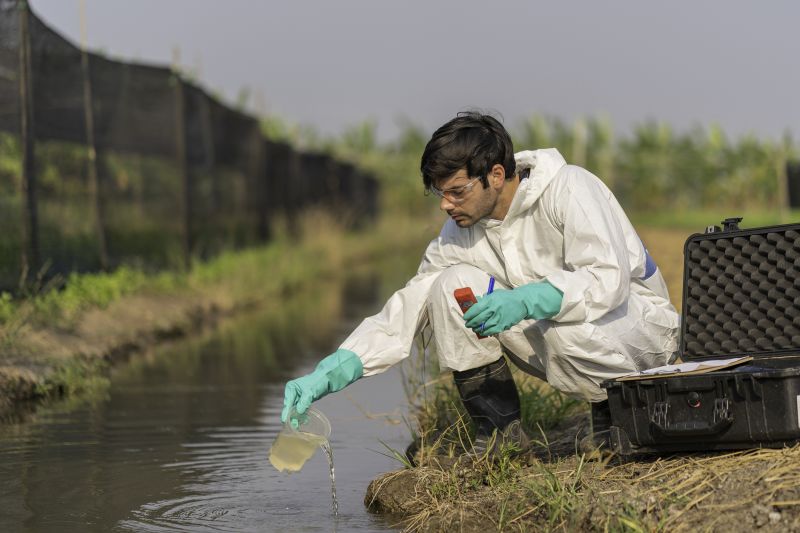
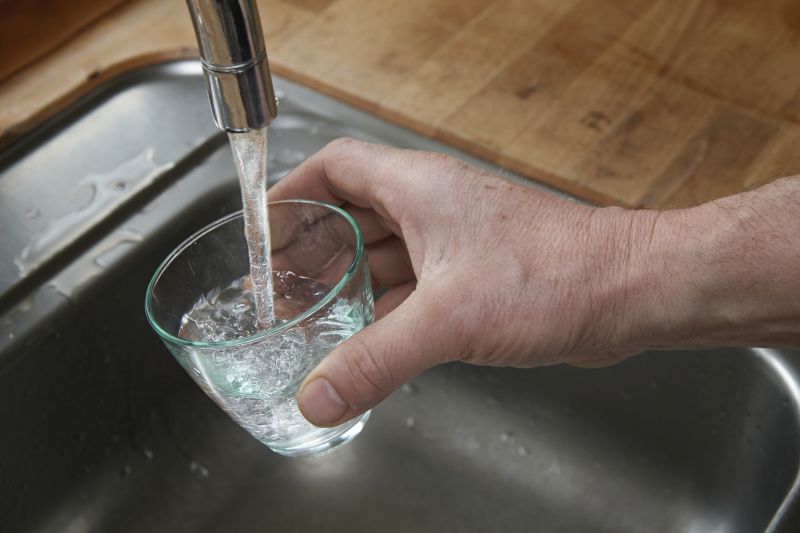
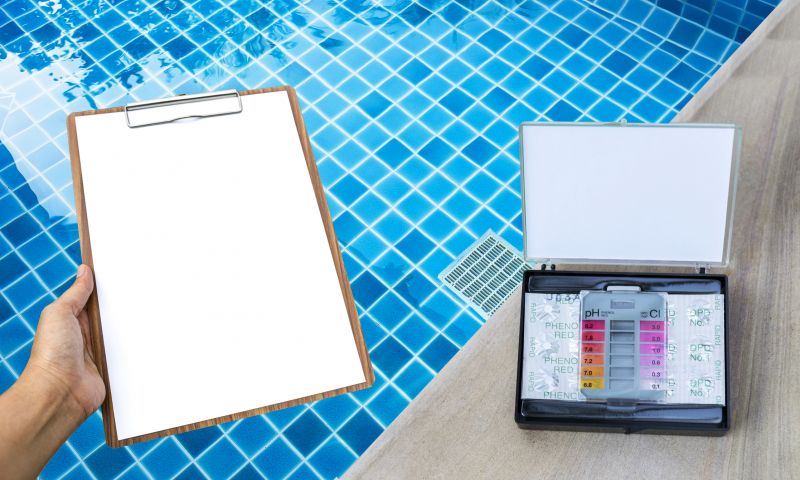
Water quality testing services involve analyzing a property's water supply to identify potential contaminants, pollutants, or other issues that could affect safety and taste. These tests typically examine factors such as bacteria levels, pH balance, mineral content, and the presence of chemicals like lead or pesticides. By conducting thorough testing, service providers can pinpoint specific problems that may compromise water safety or cause unpleasant odors, discoloration, or scaling. This process helps homeowners understand the quality of their water and determine if any treatment or filtration systems are necessary to ensure safe, clean drinking water.
Many water quality issues stem from natural sources, aging infrastructure, or nearby industrial activities. Contaminants like bacteria and pathogens pose health risks, especially for households with young children or individuals with compromised immune systems. Excess minerals such as iron or manganese can lead to staining and buildup in plumbing fixtures, while chemical pollutants might cause taste and odor problems. Water testing helps identify these issues early, enabling homeowners to take appropriate action to protect their health and improve water clarity and taste. Regular testing can also detect changes over time, ensuring ongoing water safety.
Properties that commonly utilize water quality testing include private homes, especially those with well water, as well as small businesses or restaurants relying on local water sources. Homeowners with older plumbing systems or those who notice changes in water appearance or smell often seek testing to diagnose potential problems. Additionally, properties in areas with known pollution concerns or where water treatment systems have recently been installed may benefit from testing to verify water quality. Commercial properties that depend on high-quality water for their operations also frequently use testing services to meet health standards and customer expectations.
When considering water quality testing, homeowners should think about situations such as installing a new well, experiencing unexplained water discoloration, or noticing unusual tastes or odors. Testing is also recommended after plumbing repairs or if a property has been vacant for an extended period. By working with local contractors experienced in water testing, homeowners can gain a clear understanding of their water’s condition and determine whether treatment options like filtration or disinfection are needed. Connecting with trusted service providers ensures that water quality concerns are addressed accurately and effectively.
The overview below groups typical Water Quality Testing projects into broad ranges so you can see how smaller, mid-sized, and larger jobs often compare in Bergen County, NJ.
In many markets, a large share of routine jobs stays in the lower and middle ranges, while only a smaller percentage of projects moves into the highest bands when the work is more complex or site conditions are harder than average.
Basic Water Testing - Most local contractors charge between $150 and $300 for routine water quality tests, which typically cover common contaminants like bacteria and pH levels. Many standard tests fall within this range, though prices can vary based on specific tests required.
Comprehensive Water Analysis - For more detailed assessments that include multiple contaminants such as heavy metals or chemicals, costs generally range from $300 to $600. Larger or more complex testing projects may push beyond this range, but most fall within these typical bounds.
Small Repairs and Maintenance - Minor repairs or system adjustments related to water quality tend to cost between $200 and $500. Many routine service calls land in this middle range, with fewer projects reaching higher costs for extensive repairs.
Full System Replacement - Replacing an entire water filtration or treatment system can range from $1,500 to over $5,000, depending on the size and complexity of the setup. Larger, more involved installations are less common but can significantly increase the overall cost.
Actual totals will depend on details like access to the work area, the scope of the project, and the materials selected, so use these as general starting points rather than exact figures.
Water Sampling and Analysis Projects - these projects involve collecting water samples and analyzing them to identify contaminants, similar to water quality testing services.
Environmental Monitoring Projects - monitoring water sources for pollutants and quality changes requires skills and tools used in water testing services.
Well Inspection and Testing Projects - assessing well water quality involves testing for bacteria, chemicals, and other contaminants, aligning with water testing expertise.
Industrial Water Treatment Projects - designing and evaluating water treatment systems for industries shares planning and testing techniques with water quality assessments.
Municipal Water Quality Assessments - evaluating public water supplies for safety and compliance involves similar testing methods and procedures.
Pool and Spa Water Testing Projects - testing recreational water for chemical balance and contaminants parallels residential water quality testing services.
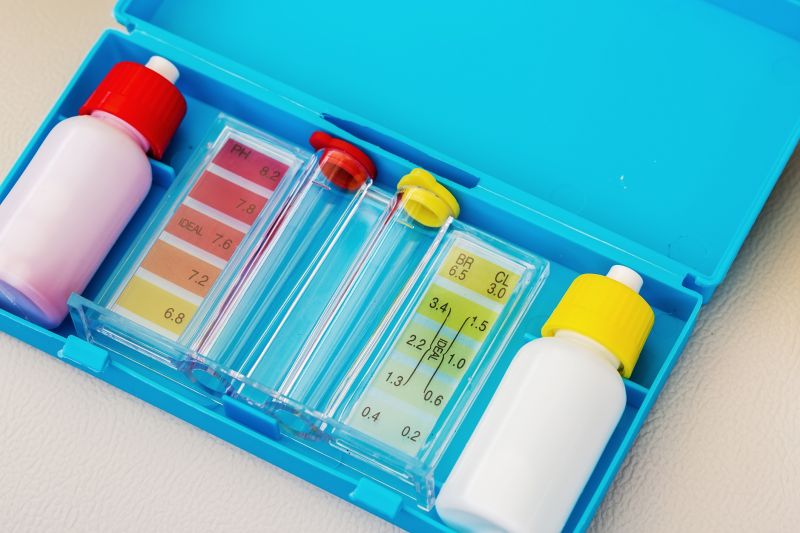
When evaluating water quality testing service providers, it’s important to consider their experience with similar projects in the Bergen County area. Service providers who have a history of working on residential water testing can better understand the specific challenges and water conditions common to the region. Asking about their previous work can help gauge their familiarity with local water sources and potential issues, ensuring they have the practical knowledge needed to deliver accurate and reliable testing results.
Clear, written expectations are essential when comparing local contractors for water testing services. A reputable service provider should be able to outline what the testing process involves, what types of tests will be conducted, and how the results will be communicated. This transparency helps homeowners understand what to expect and provides a basis for comparing different options. Ensuring that all aspects of the project are clearly explained in writing can help prevent misunderstandings and ensure the testing aligns with specific concerns or standards.
Reputable references and effective communication are key indicators of a trustworthy water quality testing service provider. Asking for references from previous clients can provide insight into the quality of work and customer satisfaction. Additionally, good communication-such as prompt responses to questions and clear explanations-can make the process smoother and more transparent. When selecting a service provider, it’s valuable to consider these aspects to find a local contractor who is responsive, reliable, and capable of meeting the specific water testing needs of a home.
Property owners in Bergen County, NJ use Water Quality Testing services for practical projects around their homes and businesses. This guide focuses on everyday jobs and straightforward project options.
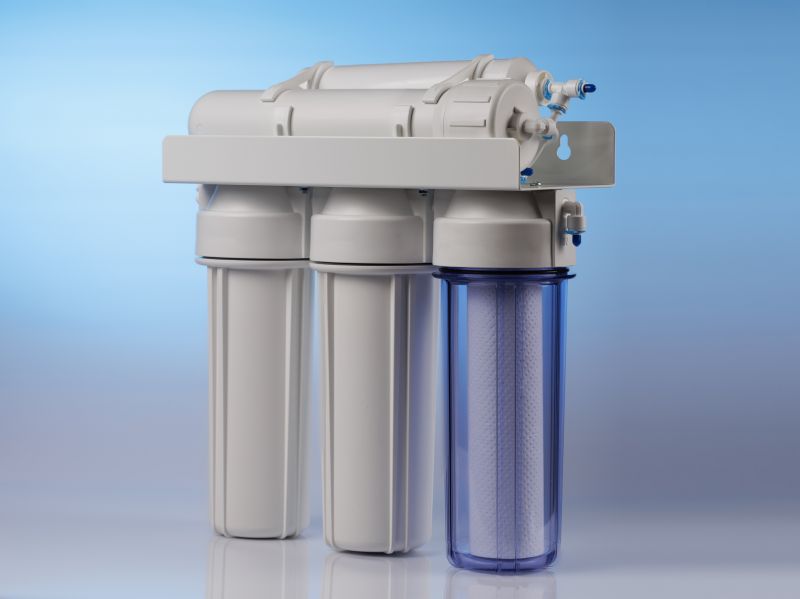
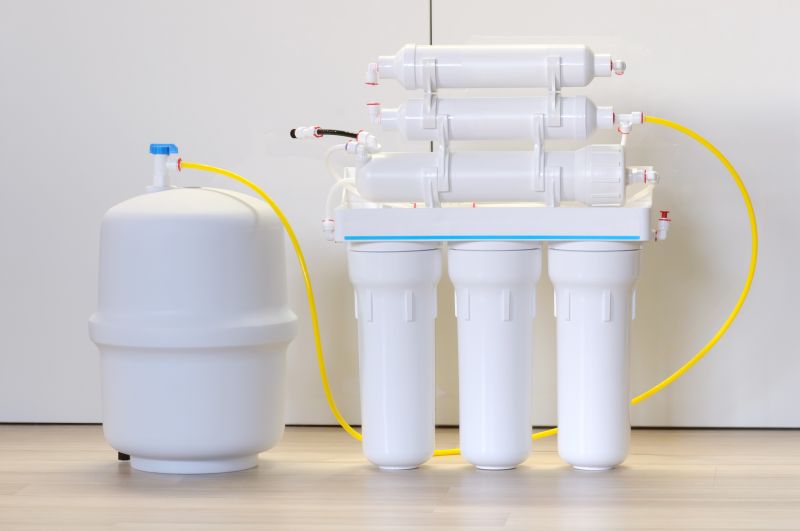
Water quality testing services are often sought by property owners in Bergen County, NJ, who notice changes in their tap water, such as unusual odors, discoloration, or taste. Homeowners considering a well installation or recent repairs may also look for testing to ensure their water source is safe and free from contaminants. Additionally, residents planning to sell their property might pursue testing to meet local health standards or to provide reassurance to potential buyers about the water quality.
In other cases, property owners may request water testing after experiencing issues like staining fixtures or experiencing skin irritation, which could indicate water quality concerns. Businesses or rental property managers may also seek testing to comply with local regulations or to verify that their water supply remains safe for tenants. Local contractors familiar with Bergen County’s specific water conditions can assist in identifying potential problems and recommending appropriate solutions.
What is water quality testing? Water quality testing involves analyzing a water sample to identify contaminants, minerals, and other substances that may affect its safety and taste.
Why should I consider water quality testing? Testing helps determine if your water meets safety standards and can reveal issues like bacteria, lead, or other pollutants that may require treatment.
How do local contractors perform water testing? Local service providers typically collect water samples and send them to labs for analysis or use on-site testing methods to assess water quality.
What types of contaminants can water testing detect? Water testing can identify bacteria, heavy metals, chemicals, pH levels, and other substances that could impact water safety and quality.
How often should water quality testing be done? The frequency of testing depends on the water source and local regulations, but many recommend testing annually or if a change in water taste, smell, or appearance occurs.
Water Quality Testing for Well Water - property owners can assess their well water safety and identify potential contaminants to ensure safe drinking water.
Routine Water Testing for Residential Homes - homeowners can schedule regular tests to monitor water quality and address issues before they become serious.
Water Testing for New Property Purchases - prospective buyers can evaluate the water quality of a property to make informed decisions before completing a sale.
Water Testing for Renovation or Plumbing Projects - property owners can test water sources to detect any pollutants that might affect new plumbing installations or renovations.
If you are thinking about Water Quality Testing for a property in Bergen County, NJ, this guide is meant to help you understand the work, the typical project types, and how different options might fit your plans.
When you are ready, you can use the quote form on this page to share a few details about your project. From there, local pros can review the basics and respond with options that match what you have in mind.